

The Legendary Manga Disney And DC Don't Want You To See Is Finally Coming To America [Exclusive]
We may receive a commission on purchases made from links.
Warning: spoilers for "Billy Bat" follow.
American manga fans can be in a bind when a series isn't picked up for international release; it falls to hobbyists to translate and reletter the Japanese text. "Billy Bat," the thriller by Naoki Urasawa and Takashi Nagasaki, has sat in that limbo for a while.
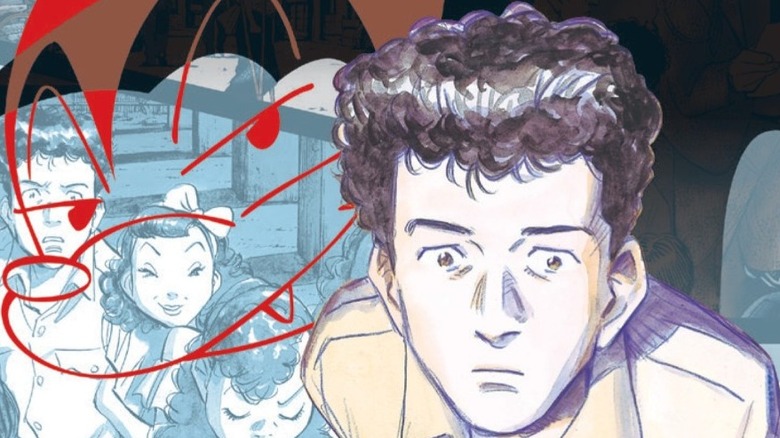
Serialized from 2008 to 2016, "Billy Bat" ran for 165 chapters (collected in 20 volumes). It initially followed Japanese American comic artist Kevin Yamagata, who learns he may have accidentally plagiarized his comic "Billy Bat!" and its anthropomorphic bat lead from a Japanese manga. He travels to Japan to try to track down the truth, but discovers Billy Bat literally has a life of his own, far longer than Kevin ever expected.
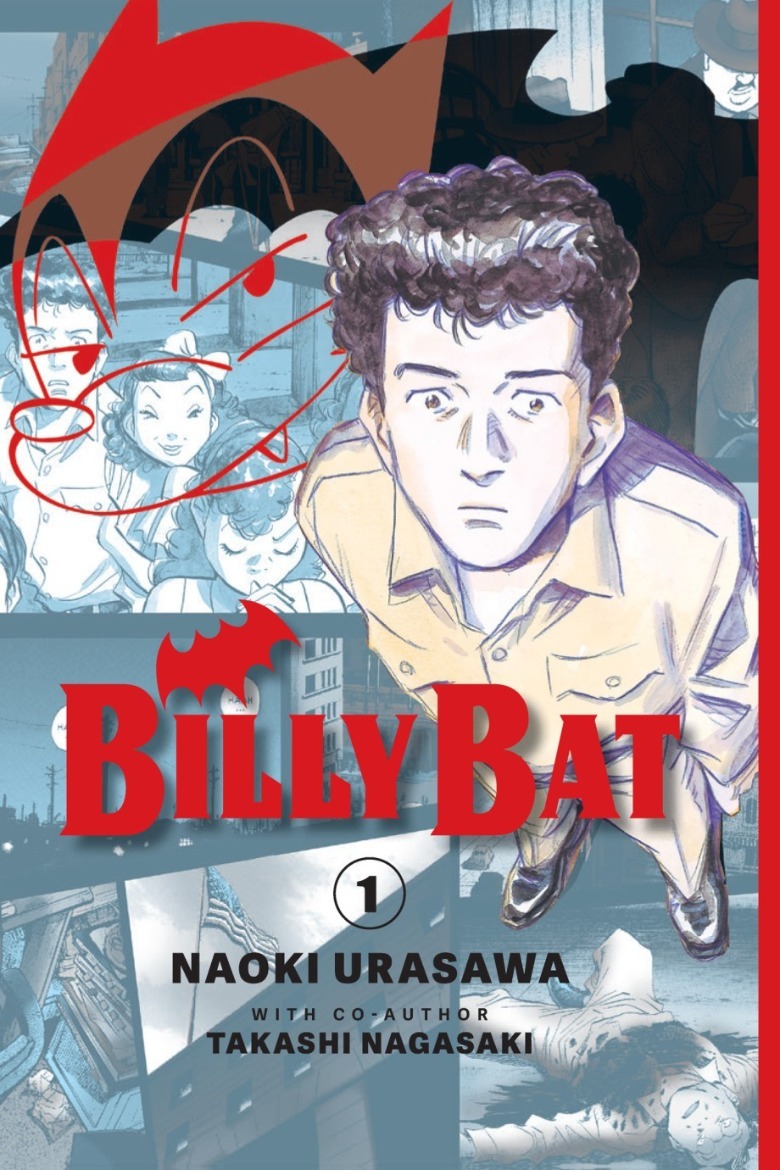
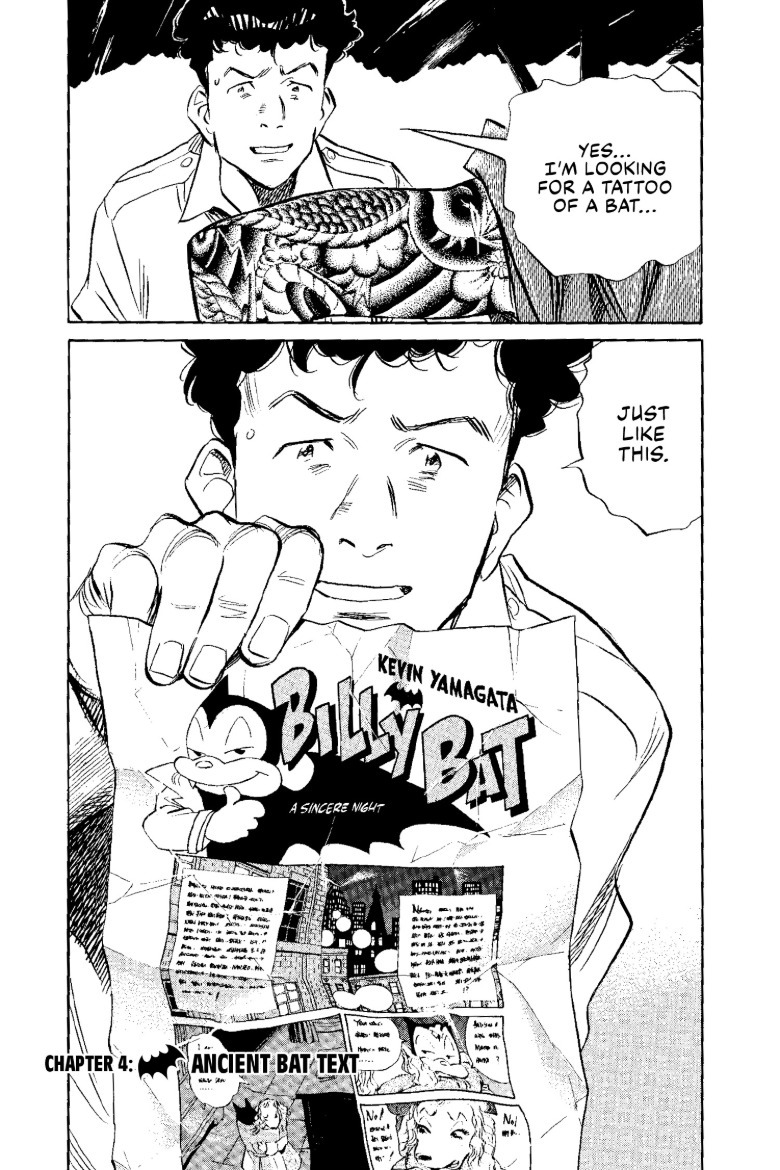
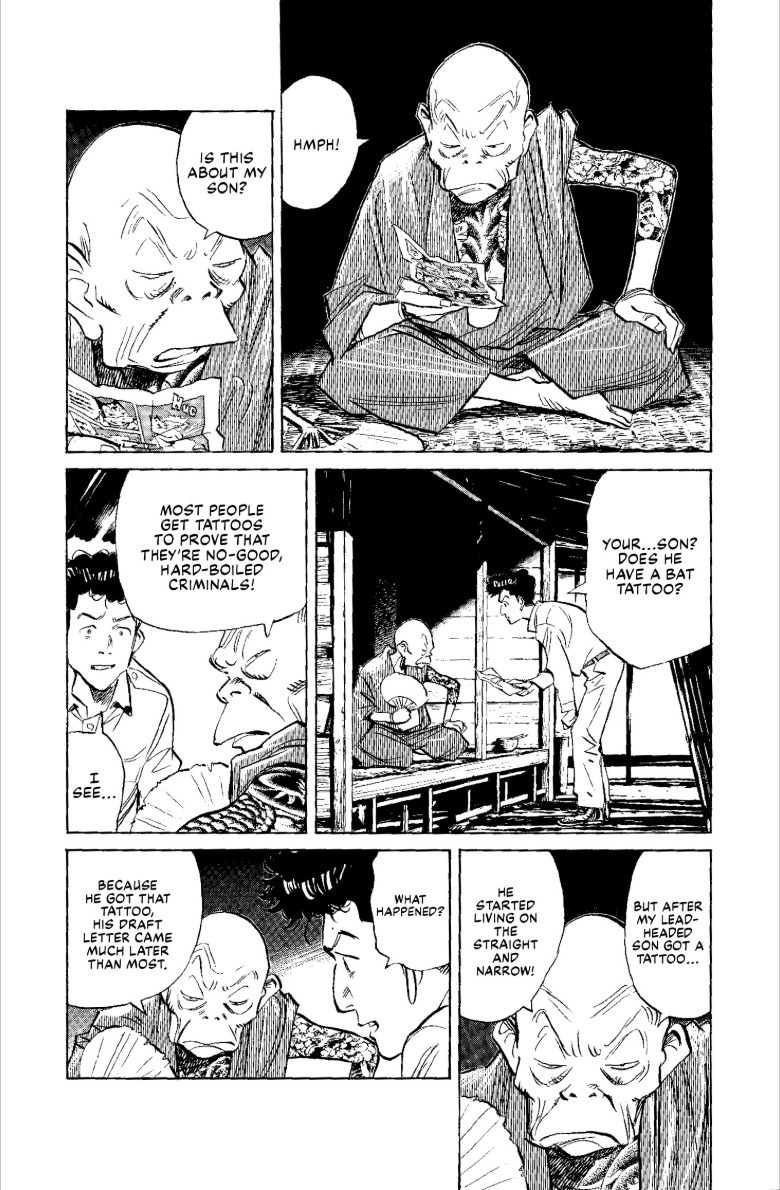
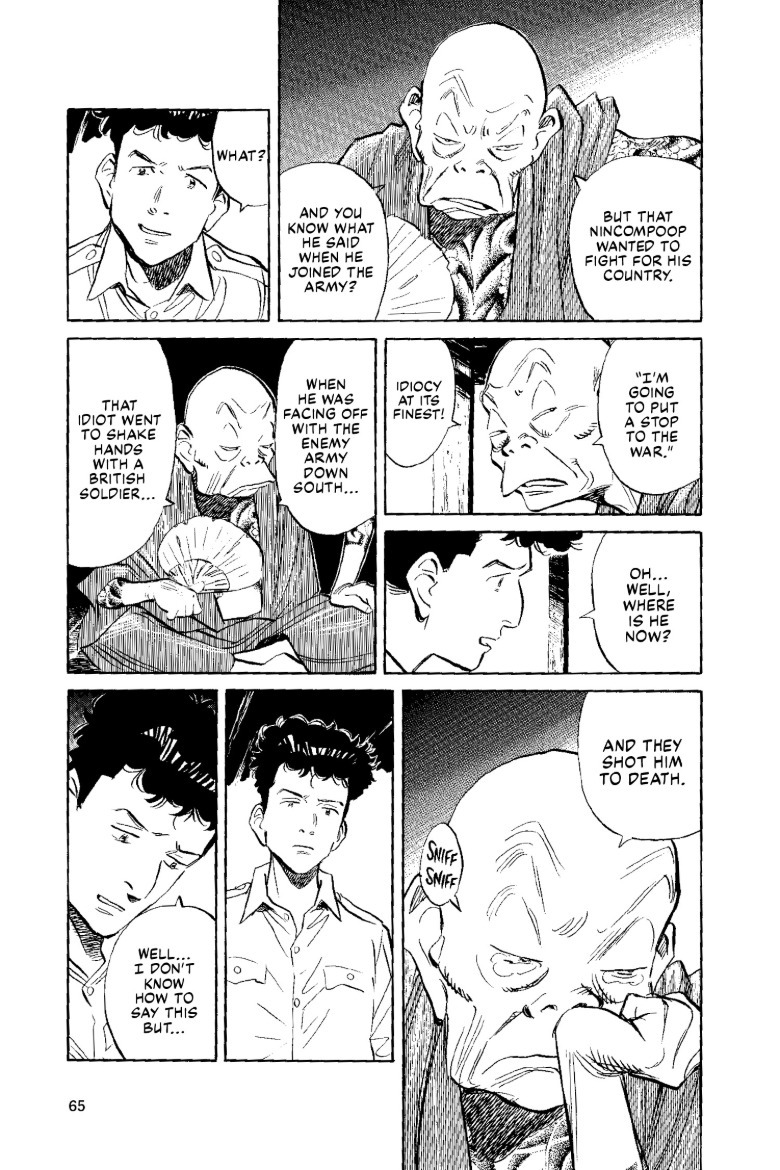
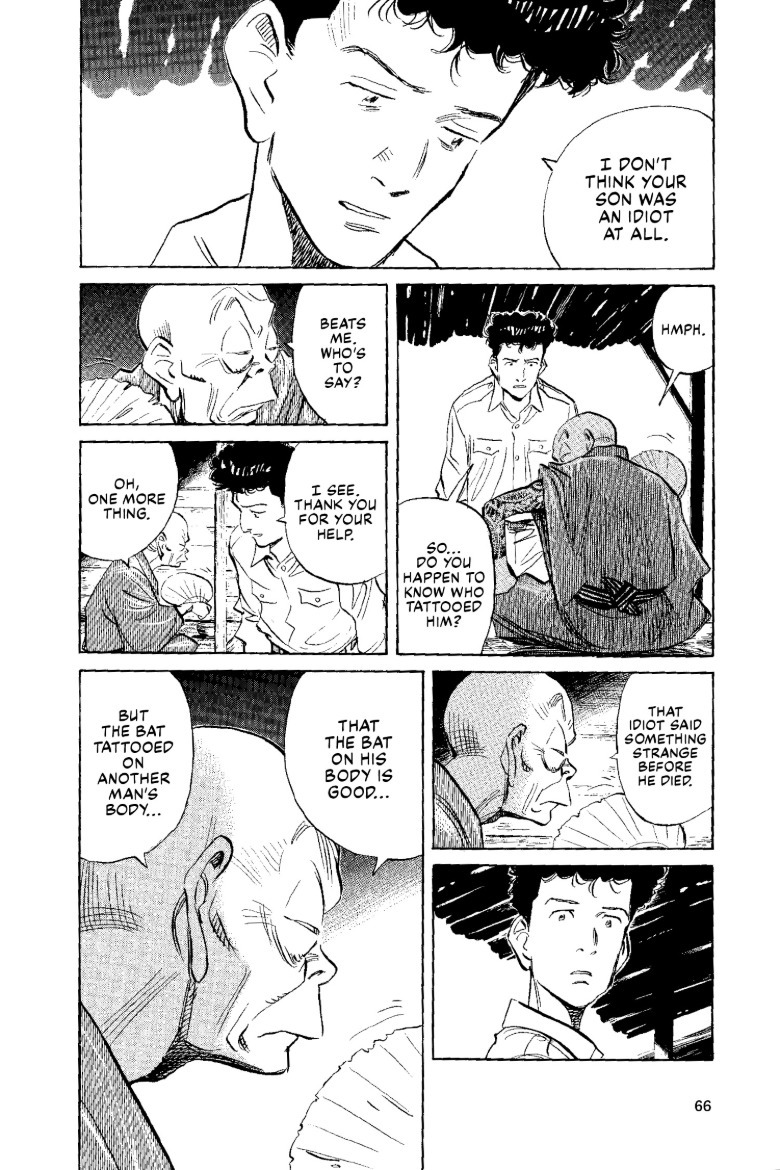
Despite acclaim, "Billy Bat" never made it stateside ... until now. Kana, an imprint of Abrams ComicArts, is publishing an English translation of "Billy Bat." The publisher intends to release four volumes per year; Volume 1 was published this June, and Kana shared an exclusive excerpt of the comic with /Film. (See below.)
 Kana
Kana
 Kana
Kana
 Kana
Kana
 Kana
Kana
 Kana
Kana
Urasawa is one of the most acclaimed manga artists alive, from "Monster" (a "The Fugitive" homage but with a serial killer villain), to "Pluto" (a reimagining of "Astro Boy" also written with Nagasaki) to "20th Century Boys" (a conspiracy thriller, and the manga most similar to "Billy Bat" in this writer's opinion). So, why the holdup on importing "Billy Bat"? In a 2019 interview (via All the Anime), Urasawa cited concerns about "Billy Bat" being translated into English:
"I'm not naming names, but major animation or film studios could take offense, or maybe draw some non-existent similarities between my work and their work."
Billy Bat examines American pop culture icons' pervasiveness
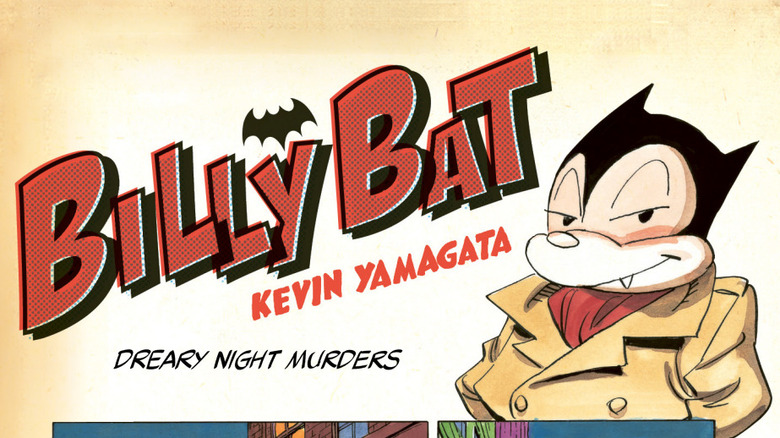
When the interviewer pressed Naoki Urasawa in said discussion, asking if his "concerns" were that Billy Bat looks like a Disney character, Urasawa denied it vociferously: "I have no intentions whatsoever of [Billy looking like a Disney character]!" But despite that protestation, it's hard to overlook the similarities.
"Billy Bat" has the same alliterative, animal-themed naming scheme as "Mickey Mouse," the first and enduring mascot of Disney. Billy's black-and-white character design evokes classic Mickey Mouse, too; he starts to look even more Disney-esque after a Disney-esque figure named Chuck Culkin takes control of "Billy Bat!" Culkin's Billy becomes an icon at the amusement park "Billyland." What Billy isn't is a friendly do-gooder like Mickey; Billy's corruptive power and the way he latches onto people instead reminded me of the One Ring in "The Lord of the Rings."
Disney isn't the only pop culture institution you can read "Billy Bat!" taking to task. Billy's shadow bat symbol bears a strong resemblance to Batman's insignia. Moreover, the manga sometimes includes pages from Kevin Yamagata's in-universe comic (the very first chapter of "Billy Bat" is one of them). From there, we can see that Billy is a bat detective. Now circle back to the original premise of this story, which is all about a comic artist thinking he may have copied someone else's work.
To this day, the creation of Batman is controversial. As documented in the Hulu documentary "Batman & Bill," writer Bill Finger did most of the work in creating Batman as we know him, but artist Bob Kane got a sweetheart deal to get sole creator credit at Finger's expense. (Allegations of exaggerated authorship also surrounded Stan Lee's tenure as Marvel's editor-in-chief.)
Billy Bat goes where no manga has gone before
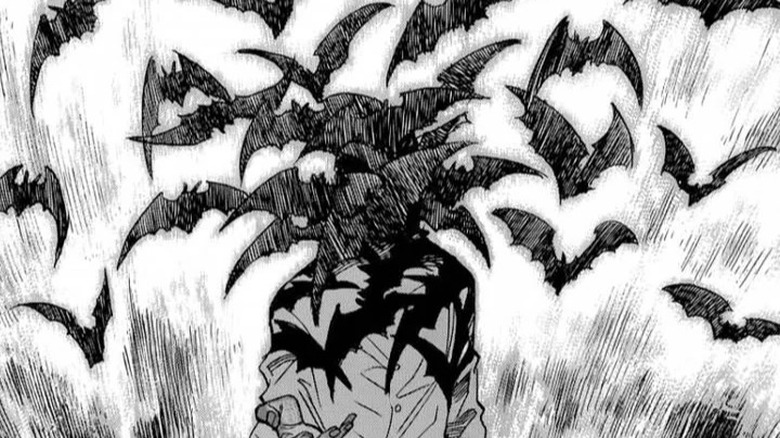
Between the Disney imagery and themes in "Billy Bat" about people getting rich off something they didn't create, I can see Naoki Urasawa's hesitation about how his manga would be received in America. But now that it's available, you owe a read of "Billy Bat" to yourself. The comic has a lot more going for it than only metatext.
Urasawa's art is as beautiful as his other manga; even in the medium's customary black-and-white, the realistic detail is awe-inspiring. He's talented at giving each character a distinct face (not every manga artist can or bothers to), but what's especially striking is his establishing panels of landmarks and architecture, including real-life ones. The detail is so accurate you could convince yourself some panels are sketched over photographs. In "Billy Bat," the realism is all the more obvious through a purposeful clash with the cartoony talking animals in the "Billy Bat!" comics.
As for the writing, Urasawa is the master of the narrative detour. Many of the best "Monster" chapters (or anime episodes) follow Doctor Kenzo Tenma as he meets people traveling across Germany, from immigrants trying to survive a harsh society to a retired hitman. The narrative will also shift away from Tenma, allowing a supporting character to lead an arc before returning to the good doctor. But you never feel as if the story is losing track of itself as it keeps opening new doors. The same is true in "Billy Bat," and the scope of this story is much larger. Billy's influence on human history spans centuries, with chapters exploring historical figures from Judas Iscariot to Lee Harvey Oswald.
Open "Billy Bat" Volume 1, which is now available, and begin a mind-bending journey like no other.