

The Mandalorian And Grogu Confirms One Thing About The Future Of Star Wars

Throughout the Disney era of "Star Wars," there's been a debate amongst fans about what exactly "Star Wars" is. This started when movies like "Rogue One" and "Solo: A Star Wars Story" came out and they broke away from several franchise traditions by not including opening text crawls or even Jedi. Then, as we started getting more and more TV shows, series like "Andor" and "Skeleton Crew" pushed the boundaries of what kind of stories could exist in this universe.
Regardless of what you think does or does not fit the "Star Wars" mold, one thing is undeniable — "Star Wars" is John Williams. Ever since 1977, Williams' music has been instrumental in building "Star Wars" into what it is, even if the composer doesn't actually watch his "Star Wars" movies once they're all finished. Even the worst "Star Wars" film can be turned into a grand piece of cinematic spectacle with some John Williams magic. Indeed, no matter how much hatred the prequels get, the consensus is that Williams did some of the best musical work of the franchise on those movies, particularly the trifecta of "Duel of the Fates," "Across the Stars," and "Battle of the Heroes."
Unfortunately, there's no getting around the fact that John Williams won't be with us forever. When that happens, "Star Wars," music, cinema, and art at large will have lost a great figure whose contributions are legendary. Still, "The Mandalorian and Grogu," despite its many glaring flaws, does prove one thing: "Star Wars" will be fine even after Williams is gone. The musical baton has already been picked up, and with every new "Star Wars" movie and TV show, another composer adds their own perspective and magic to a galaxy far, far away.
The music of Star Wars is evolving
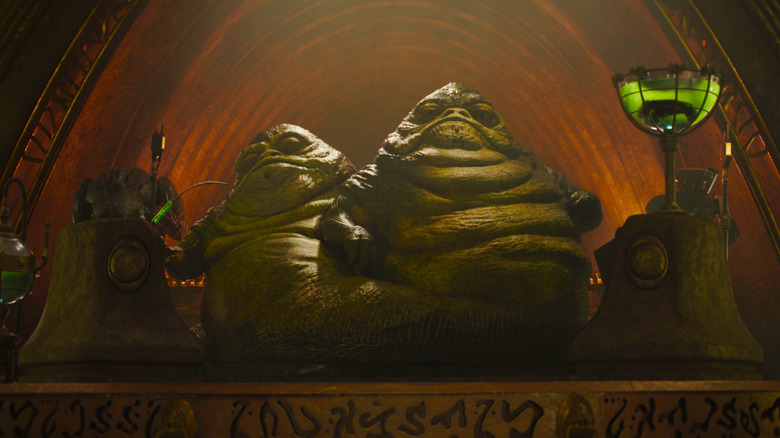
"The Mandalorian and Grogu" has many issues, but Ludwig Göransson's music is not one of them. His score elevates whatever is on the screen, combining orchestral and synth sounds to really capture the mix of sci-fi Western and gritty neon-lit cyberpunk bounty hunter thrills of the story. It simultaneously feels quintessential "Star Wars" yet unlike anything we've heard before in this franchise.
Similarly, Nicholas Britell and Brandon Roberts' score for "Andor" helped give that show an unique and bold vibe that grounded the property. Whether it was the diegetic funeral march in Season 1 or the "Andor" equivalent of "Macarena," the world of this particular "Star Wars" series feels like a reflection of our own reality.
Even when we get "Star Wars" music that resembles John Williams' work, it's still unique. Take the score for "Rogue One," the first live-action theatrical "Star Wars" film not composed by Williams. As crafted by Michael Giacchino, it's just as operatic and epic as the music of the Skywalker Saga and adds a layer of tragic emotion that echoes the movie's plot.
Granted, "Star Wars" has had other composers for years, with Kevin Kiner having composed banger after banger since 2008 with his efforts on "The Clone Wars" and other animated projects. But now, it's no longer just the peripheral titles with niche audiences that are introducing new sounds to the franchise; it's also the biggest installments aimed at the larger possible audience.
"Star Wars" is nearly 50 years old. After so many years, it makes sense for the franchise to evolve, whether that means new visual styles, story tones, or even sounds. John Williams won't be with us forever, sadly, but "Star Wars" will be fine.
"The Mandalorian and Grogu" is currently playing in theaters.