

Netflix Buying Warner Bros. Is A Deadly Blow For Physical Media, And That's Devastating
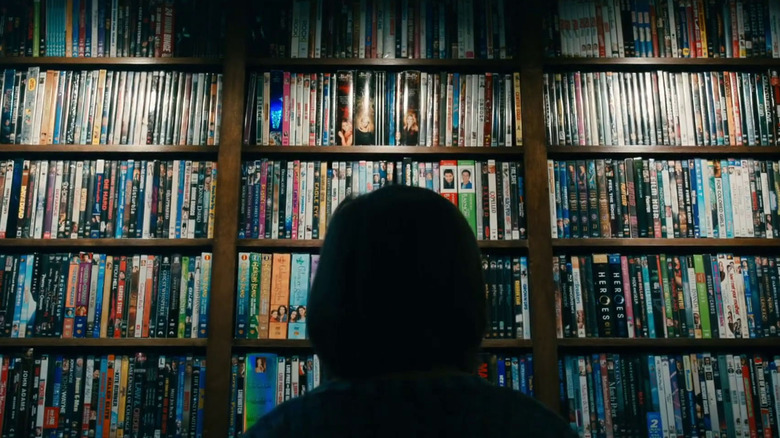
It's difficult to feel anything but disappointment and despair upon hearing the news that Netflix has seemingly won the bidding war against Paramount Skydance to acquire Warner Bros. Should this deal transpire, it would essentially bring about the kneecapping of one of the film industry's most historic institutions. Netflix CEO Ted Sarandos has been on the record saying that making movies for the big screen is an outdated concept (via Variety). But he seems to have walked this back a bit by claiming to remain steadfast to theatrical releases of upcoming Warner Bros. movies, albeit in a limited window. Taking Sarandos at his word is like holding out hope that Lucy will actually hold the football this time in a Charlie Brown comic. But while we're all talking about one of the biggest streaming conglomerates posing a potential threat to the movie theater ecosystem, there's another important aspect that's just as much on the chopping block: physical media.
Owning hard copies of movies and television shows isn't as common as it once was among the general masses, but it's far from dead. In recent years, the rise of film culture among younger viewers has ignited a renewed interest in DVDs and Blu-rays. Look at how the folks at Criterion have cultivated an entire phenomenon over spending time in their closet of culturally recognized movies. Other boutique release labels like Shout Factory and Vinegar Syndrome have picked up the slack where a lot of studios have faltered in recent years. The current Warner Bros. regime may have relegated a bunch of their barebones bonus features to outside parties, but at the very least, they've committed to putting out physical media copies of recent successes like "Sinners." With Sarandos in charge, it's hard to have faith in this practice continuing.
Netflix has little interest in producing physical media copies of their library
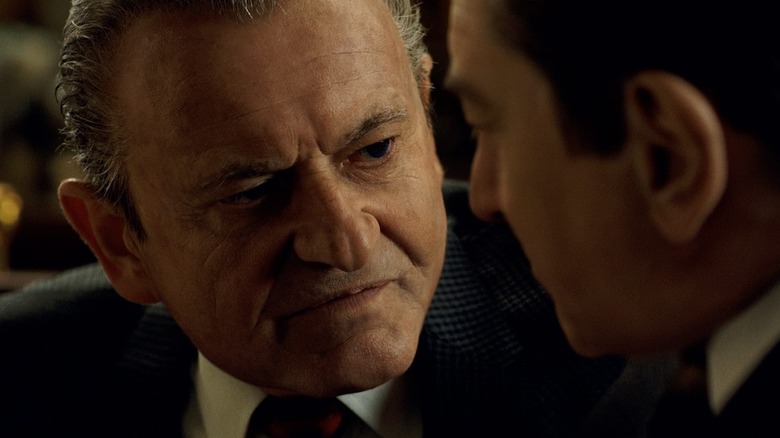
When Mike Flanagan was still making movies and television shows for Netflix, he valiantly fought to get them physical media releases. Thankfully, both of his "Haunting Of" miniseries, in addition to "Hush," have received them — although the former only got one because of a prior deal with Paramount, and the latter only happened after Flanagan took back the rights for the film. There's something he's said that has me very concerned now that Netflix will potentially be in control of the entire Warner Bros. library. "It became clear very fast that their priority was subscriptions, and that they were not particularly interested in physical media releases of their originals, with a few exceptions," Flanagan wrote in a 2023 blog post.
There's a woeful irony to a company that started out in the late '90s as a DVD rental service digging its heels in to prevent people from owning a piece of its library. The list of Netflix-branded originals on DVD and Blu-ray is slim at best, with titles like "The Irishman," "Marriage Story" and "Roma" being outsourced every now and then. At this point, anything from Netflix getting a physical reminder that it exists is a win. Yet, I can't help but feel dread over how Netflix might handle Warner Bros. titles on home media given how it treats its own projects like mossy-covered headstones in a streaming graveyard.
Not only does Netflix's acquisition call into question the future of theatrically run Warner Bros. releases on physical media, but also the future of Warner Archive, who are some of the last bastions in keeping the studio's history alive.
Netflix poses an active threat to Warner Archive
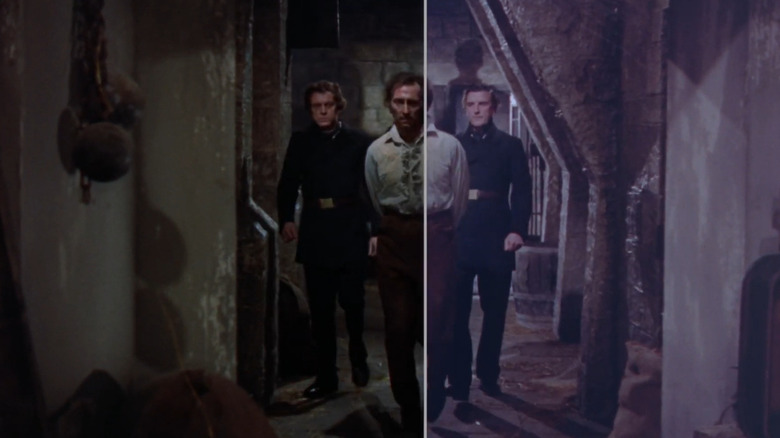
Founded in 2009, the wonderful folks at Warner Archive have been on a mission to ensure that every obscure corner of the studio's vaults are made available on DVDs and Blu-ray. Just look at the restoration for Hammer's "The Curse of Frankenstein." Something I appreciate about them the most is that they load all of these classic (and not so classic) Warner Bros. titles with special features. The cartoons, short films, newsreels, featurettes, and trailers that accompanied the initial theatrical run of their older films are accounted for. These releases aren't just ways to get these movies out to consumers, they're a form of historical preservation, which is the antithesis of everything Netflix stands for.
The Netflix model is built upon ensuring that their consumers will keep paying rapidly escalating subscription fees for something that has no guarantee of even being there next month. They've made it clear that they can't stand the idea of customers having ownership over their movies, even though it's deeply integral to the film industry as we know it. Sarandos also doesn't think about the larger picture around art as a cultural force, and that's really concerning. Under Netflix, I doubt there would be any interest to give Ken Russell's "The Devils" a proper Blu-ray release, for example, in spite of it being one of the most important and provocative films of the 1970s. Physical media is inherently a much more culturally and aesthetically valuable asset than the best streaming service, which certainly isn't Netflix.
I wholeheartedly hope I'm wrong about Warner Bros.' direction regarding physical media, but if there's ever been a time to get hard copies of the movies you love, now is very much the time to stockpile.